Adopting a senior dog is different from adopting a puppy — in most ways, honestly, it’s easier. But “easier” doesn’t mean “no surprises.” After talking to shelters, vets and a lot of senior-dog owners, here are the 12 things people most often say they wish they’d known before adopting a senior dog.
1. “Senior” starts earlier than you think
A dog is generally considered senior in the last 25% of their expected lifespan — around age 7 for large breeds (who age faster) and 10+ for small breeds. A “senior” 7-year-old Labrador may have 5 good years ahead; a senior Chihuahua may have 10. Ask the shelter for their best age estimate and judge the individual dog, not the label.
2. The personality you meet is the personality you get
This is the senior dog’s superpower. No guessing how big they’ll grow, whether they’ll be hyper, or how they’ll feel about cats. The calm, gentle dog snoozing in the kennel is exactly who comes home with you.
3. The 3-3-3 rule is real
Rescue workers use this rule of thumb:
- 3 days to decompress — your dog may sleep a lot, eat little, and seem shut down. Normal.
- 3 weeks to learn your routine — eating, walking and sleeping patterns settle; the real personality starts showing.
- 3 months to truly feel at home — trust and bonding deepen.
Don’t judge the first week. Judge month three.
4. A vet visit in the first two weeks is non-negotiable
Even with shelter records, book your own vet early. Senior blood work gives you a baseline, teeth get checked (dental disease is the most common senior-dog issue), and any medications get set up properly. Budget-wise, our senior dog cost guide shows what to expect.
5. Your home needs small changes, not a renovation
A supportive bed on the ground floor, food and water where there are no stairs, a rug over slippery floors, and a ramp if the car or couch matters. That’s most of it. Our senior-proofing guide walks through the rest, room by room.
6. Exercise means gentle and often, not long and rare
Short, frequent walks beat one weekend marathon. Most senior dogs thrive on two or three 15–30 minute strolls a day, plus sniffing time — sniffing is mental exercise, and for an old dog it’s pure joy.
7. Old dogs absolutely can learn new routines
“Can’t teach an old dog new tricks” is a myth. Senior dogs learn house rules, new names and new routines perfectly well — often faster than puppies, because they can focus. Keep training kind, short and treat-based.
8. There will be vet bills — plan, don’t panic
Arthritis, dental work, thyroid or heart medication: these are common, manageable, and usually inexpensive monthly. What makes senior-dog ownership stressful is not the size of the bills, it’s meeting them unprepared. A small monthly vet fund ($30–$50) defuses most of it.
9. Your heart will get involved fast — and the goodbye is closer
This is the honest one. Adopting a 10-year-old dog means your time together is likely measured in years, not decades. Every senior-dog adopter knows this going in, and almost all of them say the same thing afterwards: the love is not smaller for being shorter. Many adopt senior dogs again and again.
10. Insurance is usually poor value at this age
Premiums for older dogs are high and pre-existing conditions are excluded. For most senior dogs, self-insuring with a savings jar beats a policy. Run your own numbers before buying either way.
11. The dog may grieve — give them time
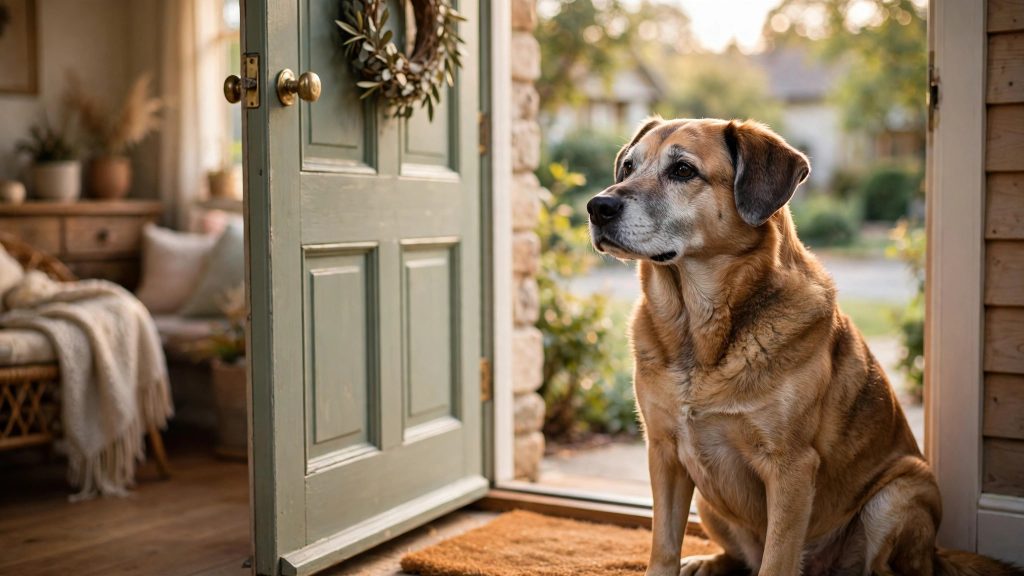
Many senior dogs in shelters lost an owner who died or went into care. A dog who stares at the door or seems sad isn’t “broken”; they’re adjusting to losing their whole world. Routine, patience and quiet companionship are the medicine, and it works.
12. You’ll wonder why you didn’t do it sooner
Ask senior-dog owners and you’ll hear it again and again: the calm companionship, the gratitude, the dog who chooses your feet as their favourite place on earth. Puppies are wonderful. But there is a particular peace in an old dog’s company that has to be lived to be understood.
The bottom line
Adopting a senior dog asks a little more honesty of you — about time, money and goodbyes — and gives back a great deal more than it takes. If these 12 things sound manageable rather than frightening, you’re exactly the person some grey-muzzled dog is waiting for. Start with our guide to finding senior dogs for adoption near you.